

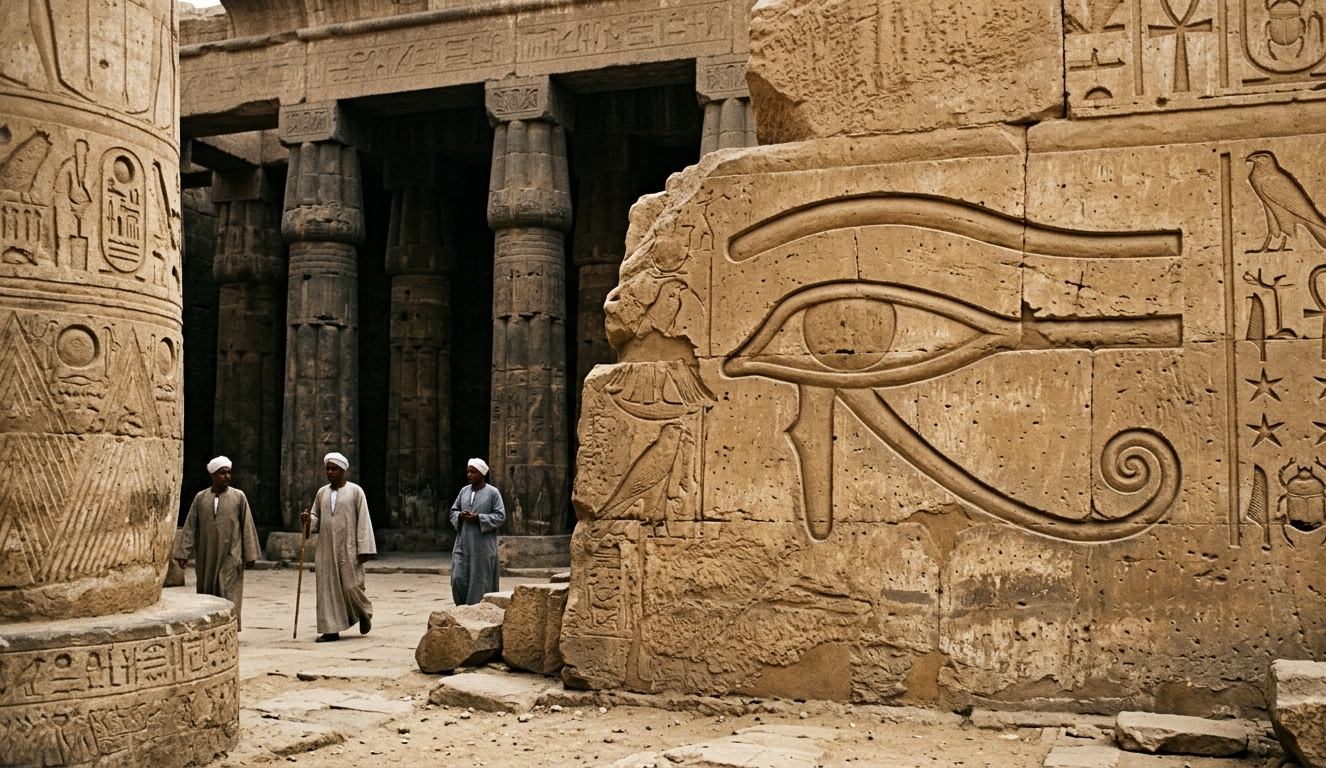
Eye of Horus in Ancient Egypt A Timeless Symbol for Travelers and Historians
Introduction: A Symbol That Guides Your Journey
If you’re planning a trip to Egypt, you’ll quickly encounter the Eye of Horus in Ancient Egypt—one of the most enduring symbols of protection, health, and royal power.
This ancient emblem weaves mythology, medicine, and daily life into a single, travel-friendly story. In this guide, we’ll unpack the Eye of Horus meaning, its storied past, and practical tips for spotting it on your Egyptian adventures.
What is the Eye of Horus?
The Eye of Horus is a stylized representation linked to Horus, the sky god who embodies kingship and protection. The symbol resembles a human eye with distinctive markings, often seen in amulets, jewelry, and temple reliefs. In ancient Egyptian symbols, it functioned as a powerful talisman believed to ward off chaos and bring safe passage, healing, and prosperity.

Key points:
– Primary associations: protection, health, restoration.
– Common forms: amulets, inscriptions, architectural motifs.
– Core appeal for travelers: a tangible link to daily life in ancient Egypt.
The mythological story of Horus and the Eye
The Eye’s tale is deeply entwined with Horus and his struggle against Set. After a fierce contest for Horus’s father Osiris’s throne, Horus suffered losses in battle, and his eye was injured. Thoth, the god of wisdom, restored the eye, creating the “Eye of Horus” as a symbol of healing and wholeness.
This myth isn’t just lore—it explains why the Eye became associated with healing powers and protective magic. In the world of ancient Egyptian mythology, the Eye was both a witness to divine battles and a tool for humans seeking safety and vitality on their journeys.
– The Eye’s restoration by Thoth symbolizes renewal.
– The symbol’s protective function aligns with the traveler’s need for safe passage.
Symbolism and meaning of the Eye of Horus
Over centuries, Horus’s eye accrued layered meanings that travelers and scholars still explore today. Its symbolism extends beyond protection to notions of balance, order, and cosmic harmony.
– Protection: Wards off misfortune and harm on travels.
– Healing: Linked to medical knowledge and safe recovery.
– Wholeness: Restored eye stands for restoration and reconciliation.
– Measurement system: In some sources, the eye’s segments symbolize fractions, used informally in rituals and magical healing.
For modern readers, these meanings translate into a poetic idea: you carry a centuries-old emblem of balance and safety when you explore the ruins, museums, and desert vistas of Egypt.
Difference between Eye of Horus and Eye of Ra
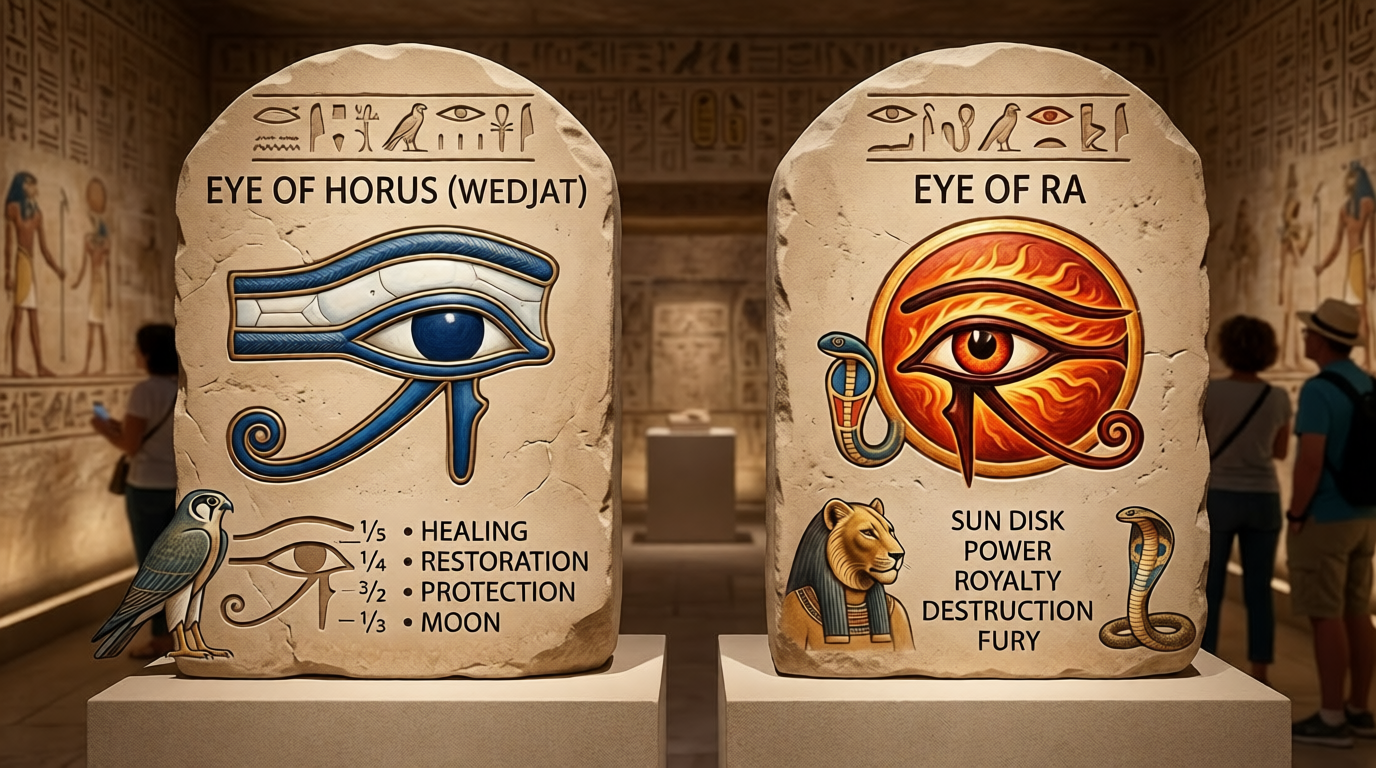
The ancient Egyptian world often features similar-looking symbols with different powers. The Eye of Horus and the Eye of Ra are related but distinct.
– Eye of Horus: Associated with protection, healing, and safe travel; linked to the personal myth of Horus.
– Eye of Ra: A solar, more aggressive symbol representing the eye of the divine sun god Ra; associated with power, vigilance, and sometimes wrath.
Knowing the difference helps when you see these motifs in temples or artifacts, and it enriches your understanding of Egyptian iconography on your Egypt excursions.
How the Eye of Horus was used in Ancient Egypt
The practical uses of this symbol are as fascinating as the myths.
– Protective amulets: Worn or placed in tombs to guard the wearer in life and the afterlife.
– Medical iconography: Found in medical texts and reliefs related to healing practices.
– Jewelry and adornment: A common motif in rings, bracelets, and beads for everyday protection.
– Ritual offerings: Included in ritual scenes to ensure safe journeys through the afterlife or during processions.
– Architectural motifs: Inscribed on temple friezes and gateway reliefs to bless visitors and pilgrims.
If you’re exploring a museum or temple, keep an eye out for the Eye in combinations with hieroglyphs, cobra motifs, or sun-disk imagery—the context often reveals whether the piece emphasizes protection, healing, or royal power.
Where tourists can see the Eye of Horus in Egypt today
Egyptian heritage sites and museum collections give you abundant opportunities to spot the Eye of Horus in Ancient Egypt.
– Temples: Look for Eye motifs at major temples along the Nile and in desert temple complexes near old caravan routes.
– Museums: The Egyptian Museum in Cairo, the Grand Egyptian Museum, and regional museums house jewelry, scarabs, and stelae bearing Eye of Horus imagery.
– Artifacts: Amulets and scarabs with the Eye are popular in antiquities markets and often appear in Egyptology collections worldwide.
– Temples with reliefs:
We also recommend you :
Orange bay island Hurghada with pickup and drop off
Egypt Family Holiday Package – Cairo, Luxor & Aswan
Budget Egypt Tour Package – Cairo, Luxor & Aswan
2 Nights 3 Days camping in white desert private tour
Cairo, Luxor & Aswan Vacation Package – All in One Trip
Discovering the Eye of Horus in Ancient Egypt
A Symbol of Protection and Power
Introduction
The Eye of Horus in Ancient Egypt is more than just a symbol; it embodies a rich tapestry of mythology, protection, and healing that has fascinated tourists and history enthusiasts alike. With its striking design and profound meaning, the Eye of Horus continues to captivate imaginations and stands as a testament to the ingenuity of ancient Egyptian culture. In this blog post, we will delve into the history, symbolism, and modern relevance of the Eye of Horus, providing you with valuable insights into one of Egypt’s most iconic ancient symbols.
What is the Eye of Horus?
The Eye of Horus, known as “Wedjat” in ancient Egyptian, is a powerful symbol representing protection, royal power, and good health. It is often depicted as a stylized eye with distinctive markings that resemble the features of a falcon, reflecting its association with Horus, the god of the sky, kingship, and hunting. This symbol was widely used in ancient Egyptian art and jewelry and remains a popular motif in modern culture.
The Mythological Story of Horus and the Eye
To truly understand the Eye of Horus meaning, one must explore the mythological backdrop of Horus himself. According to Egyptian mythology, Horus was the son of Osiris and Isis. After Osiris was murdered by his brother Seth, Horus sought revenge and fought against Seth to reclaim his father’s throne. During these battles, Horus lost his left eye, which was torn out by Seth.
The eye was eventually restored by the god Thoth, symbolizing healing and restoration. This narrative not only underscores the Eye of Horus as a symbol of protection but also highlights its association with resurrection and renewal, making it a significant emblem in the context of ancient Egyptian beliefs.
Symbolism and Meaning of the Eye of Horus
The Eye of Horus is rich in symbolism, encompassing various meanings that resonate with different aspects of life. Here are a few key interpretations:
- Protection: The Eye of Horus was believed to ward off evil and protect individuals from harm. It was commonly used as an amulet by ancient Egyptians to ensure safety during their journeys and in daily life.
- Healing: The restoration of Horus’s eye symbolizes healing, making it a powerful emblem for health and well-being. It was often invoked in medical practices and rituals to promote recovery.
- Royal Power: As a representation of Horus, the Eye signifies the divine right of kings. Pharaohs often adorned their crowns with the Eye of Horus to demonstrate their authority and connection to the gods.
- Unity: The symbol also represents the idea of completeness, balancing both the left and right sides, much like the duality of life and death in Egyptian mythology.
Difference Between Eye of Horus and Eye of Ra
While both the Eye of Horus and the Eye of Ra are significant symbols in Egyptian mythology, they serve different purposes. The Eye of Ra is associated with the sun god Ra and embodies the fierce, protective qualities of the sun. In contrast, the Eye of Horus is more closely linked to healing and protection, reflecting the nurturing aspects of the moon and sky.
The Eye of Ra is often depicted as a sun disk surrounded by a serpent, representing power and destruction, whereas the Eye of Horus retains a more benevolent connotation. Understanding these differences enhances our appreciation of the rich symbolism embedded in ancient Egyptian culture.
How the Eye of Horus Was Used in Ancient Egypt
The Eye of Horus permeated various aspects of daily life in ancient Egypt. Here are some notable uses:
- Amulets and Jewelry: The Eye of Horus was frequently crafted into amulets worn by individuals to ensure protection and good health. These charms were often buried with the deceased to safeguard them in the afterlife.
- Art and Architecture: Temples and tombs were adorned with the Eye of Horus, serving as a protective symbol for the structures and their inhabitants. Artwork often depicted the symbol to invoke blessings from the gods.
- Medicine: Ancient Egyptians invoked the Eye of Horus in healing rituals, believing that it possessed the power to cure ailments. Physicians would incorporate the symbol into their practices as a means of invoking divine assistance.
Where Tourists Can See the Eye of Horus in Egypt Today
Today, the Eye of Horus can be found at various historical sites and museums across Egypt, making it an essential stop for tourists interested in ancient culture. Some notable locations include:
- The Egyptian Museum in Cairo: Home to countless artifacts from ancient Egypt, including jewelry and amulets featuring the Eye of Horus.
- Temple of Edfu: This well-preserved temple dedicated to Horus contains numerous depictions of the Eye, allowing visitors to connect with the mythology firsthand.
- The Valley of the Kings: Many tombs feature symbols of the Eye of Horus, highlighting its importance in the afterlife journey of pharaohs.
Additionally, excursions in Hurghada and other regions often include stops at sites where the Eye of Horus can be appreciated, enriching your travel experience.
Why It Still Matters Today
The Eye of Horus continues to resonate in contemporary culture, symbolizing protection and healing for many. It has transcended its ancient origins to become a popular motif in fashion, art, and wellness practices. The symbol’s enduring power serves as a reminder of the rich cultural heritage of ancient Egypt and its impact on modern society.
Travelers seeking to immerse themselves in history will find that exploring the significance of the Eye of Horus enhances their understanding of Egyptian mythology and culture.
Whether through guided tours or independent exploration, engaging with these symbols allows visitors to connect with the past in meaningful ways.
Conclusion
The Eye of Horus in Ancient Egypt is not just a symbol of the past; it is a bridge connecting us to the profound beliefs and practices of an extraordinary civilization.
As tourists and history enthusiasts, we have the unique opportunity to explore this rich heritage firsthand.
Whether you are planning a trip to the Egyptian Museum, the Temple of Edfu, or embarking on exciting Hurghada tours,
The Eye of Horus awaits to share its stories of protection, healing, and power.
So, pack your bags and prepare for an unforgettable journey into the heart of Ancient Egypt, where the Eye of Horus continues to watch over us all!
FAQs
What does the Eye of Horus symbolize?
The Eye of Horus symbolizes protection, healing, and royal power in ancient Egyptian culture.
How was the Eye of Horus used in ancient Egyptian medicine?
Ancient Egyptians invoked the Eye of Horus in healing rituals, believing it had the power to cure ailments.
What is the difference between the Eye of Horus and the Eye of Ra?
>>>>>>>>>>>>>>>>>>>>>>>The Eye of Horus represents protection and healing, while the Eye of Ra symbolizes power and fierce protection associated with the sun god Ra.
Where can I see the Eye of Horus in Egypt?
You can see the Eye of Horus in places like the Egyptian Museum in Cairo and the Temple of Edfu.
Why is the Eye of Horus important today?
The Eye of Horus remains a popular symbol of protection and healing, influencing modern art, fashion, and wellness practices.