

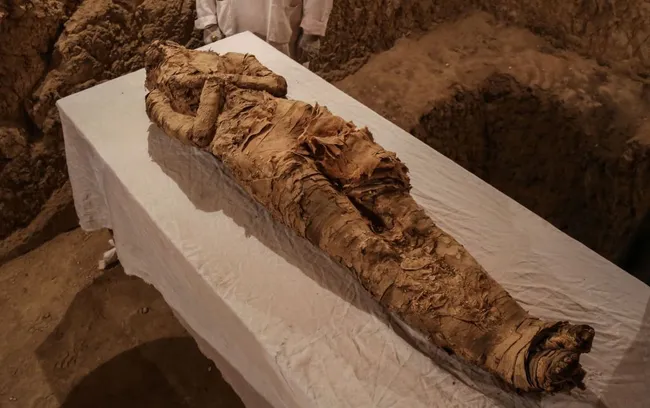
Unlocking the Secrets of Egyptian Mummies
A Journey Through Ancient Practices and Preservation
Introduction
When one thinks of Egyptian mummies, images of wrapped figures lying in tombs filled with treasures often come to mind. Yet, the story behind these remarkable artifacts goes far beyond their enigmatic appearance. Mummification was an intricate process deeply rooted in the beliefs and practices of ancient Egyptian culture, reflecting their views on life, death, and the afterlife. This blog post will delve into the history, methods, and significance of Egyptian mummies, providing valuable insights for tourists, history enthusiasts, and travelers eager to explore the wonders of Ancient Egypt.
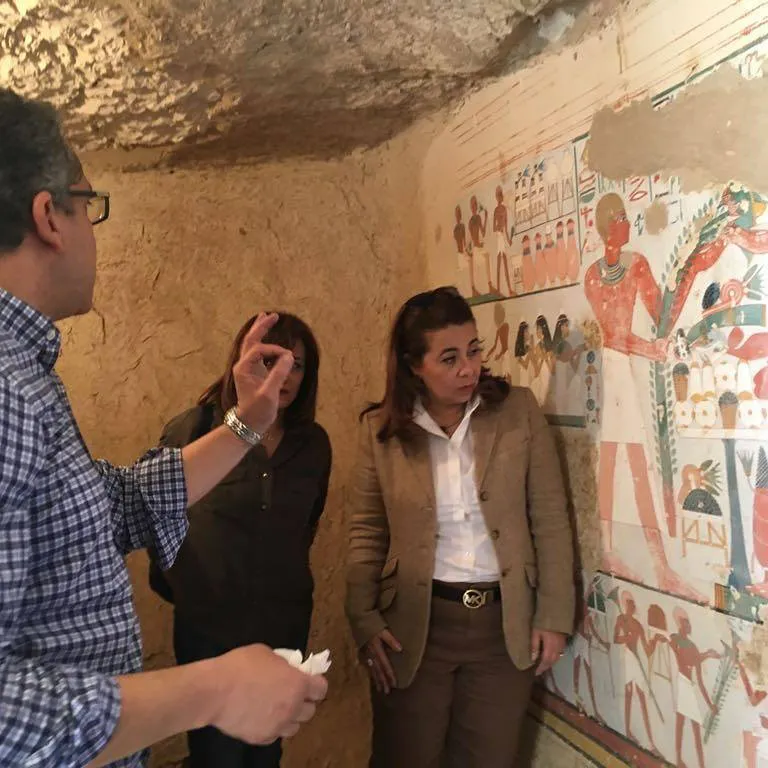
The Origins of Mummification
The Beginnings of an Ancient Practice
The practice of mummification dates back to around 2600 BCE during the time of the Old Kingdom. Initially, bodies were simply buried in the sand, where the natural heat and aridity preserved them. Over time, the Egyptians developed more sophisticated methods for preserving the dead, believing that proper care of the body was essential for the soul’s journey in the afterlife.
Religious Beliefs and the Afterlife
Central to the practice of mummification were the ancient Egyptians’ beliefs in the afterlife. They viewed death not as an end but as a transition to a different existence. The soul, or “Ba,” would need a preserved body to return to, making mummification a vital step in ensuring immortality. This belief was intricately tied to their pantheon of gods, particularly Osiris, the god of the afterlife.
The Mummification Process
Step-by-Step Overview
The mummification process was a meticulous and sacred ritual that typically took around 70 days to complete. Here’s a detailed breakdown of the key steps involved:
- Removal of Internal Organs:
The first step involved the removal of internal organs to prevent decay. The heart, however, was usually left in place as it was believed to be the center of intelligence and emotion. Other organs were often placed in canopic jars, each dedicated to a specific protective deity. - Desiccation with Natron:
After the organs were removed, the body was covered with natron, a naturally occurring salt that absorbed moisture. This desiccation process helped prevent decomposition and typically lasted for about 40 days. - Ritual Cleansing:
After drying, the body was washed and anointed with oils and resins, which served both as preservatives and as offerings to the gods. - Wrapping the Body:
The body was then carefully wrapped in linen bandages. Often, amulets and charms were placed within the wrappings to protect the deceased on their journey in the afterlife. - Final Rituals:
The final step involved a series of religious rituals, including the “Opening of the Mouth” ceremony, which was believed to restore the deceased’s senses and allow them to eat, speak, and breathe in the afterlife.
The Role of Embalmers
Embalmers were highly respected professionals trained in the art of mummification. They were often priests who conducted the process with great reverence, ensuring that every step adhered to ancient rituals and practices. Their expertise played a crucial role in preserving the deceased for eternity.
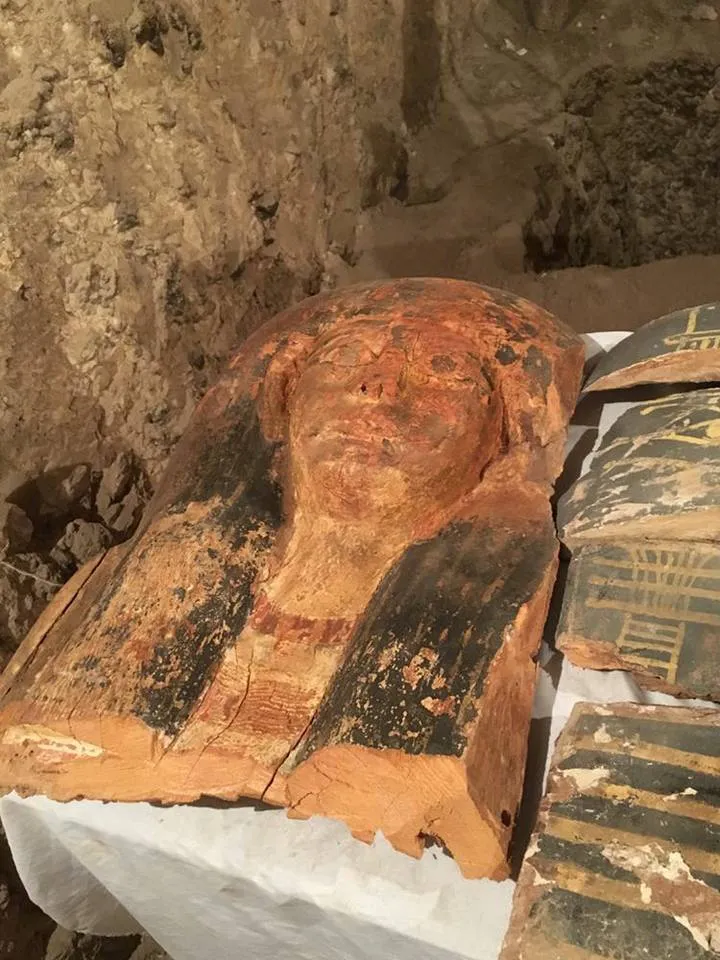
Types of Egyptian Mummies
Royal Mummies
The most famous Egyptian mummies belong to pharaohs and other elite members of society. These mummies were elaborately prepared and often interred in grand tombs filled with treasures, including jewelry, food, and artifacts meant to accompany them in the afterlife. The discovery of Tutankhamun’s tomb in 1922 by Howard Carter is perhaps the most notable example, showcasing the wealth and artistry of royal burials.
Non-Royal Mummies
Not all mummies were royalty. Many commoners also underwent the mummification process, albeit often in simpler forms. These mummies provide invaluable insights into the lives of ordinary Egyptians, shedding light on their beliefs, daily lives, and social structures.
Animal Mummies
Ancient Egyptians also mummified animals, including cats, dogs, and even sacred creatures like ibises and crocodiles. These mummies were often offerings to the gods, reflecting the deep reverence Egyptians had for animals and their belief in their spiritual significance.
The Discovery and Study of Egyptian Mummies
Archaeological Discoveries
The fascination with Egyptian mummies has led to numerous archaeological discoveries over the centuries. Notable sites such as the Valley of the Kings and the pyramids of Giza have provided treasure troves of information about ancient Egyptian funerary practices.
Modern Techniques in Mummy Research
Advancements in technology have revolutionized the study of mummies. Techniques such as CT scans and DNA analysis have allowed researchers to examine mummies without unwrapping them, providing deeper insights into their health, diet, and even genetic lineage. These methods have also uncovered evidence of diseases, injuries, and the effects of environmental factors on ancient populations.
The Significance of Egyptian Mummies Today
Cultural Heritage and Tourism
Egyptian mummies are not only significant to historians and archaeologists; they are also a major draw for tourists. Museums around the world, including the Egyptian Museum in Cairo and the British Museum in London, house extensive collections of mummies and related artifacts. These exhibits provide visitors with a glimpse into the fascinating world of ancient Egypt and its cultural heritage.
Ethical Considerations
As interest in Egyptian mummies continues to grow, ethical considerations regarding their study and display have emerged. There is an ongoing debate about the respect and treatment of these ancient remains, with many advocating for a focus on preservation and education rather than mere exhibition.
Where to Experience Egyptian Mummies in Egypt
If you’re planning a trip to Egypt, here are some incredible places to experience the legacy of Egyptian mummies firsthand:
1. The Egyptian Museum in Cairo
Home to the world’s largest collection of ancient Egyptian artifacts, the Egyptian Museum is a must-visit for anyone interested in mummies. The museum features numerous royal mummies, including Ramses II and Hatshepsut, along with an array of artifacts from tombs.
2. The Museum of Egyptian Civilization in Cairo
This relatively new museum showcases the history of Egyptian civilization and houses the Royal Mummies Hall, where you can see the mummies of famous pharaohs and learn about the mummification process.
3. The Valley of the Kings
Located on the west bank of the Nile near Luxor, the Valley of the Kings is the burial site of many pharaohs and nobility. While most tombs are empty due to grave robbing, the site remains a significant historical location for understanding mummification practices.
4. Luxor Museum
This museum features a collection of artifacts from the Theban Necropolis, including mummies and burial items, providing context to the burial practices of ancient Egyptians.
Exploring Ancient Egypt: Tours and Experiences
For travelers eager to dive deeper into the world of Egyptian mummies, consider joining guided tours that focus on ancient history. Many tour operators offer specialized itineraries that include visits to museums, archaeological sites, and even mummification workshops where you can learn about the process firsthand.
Suggested Tours
- Luxor and Aswan Nile Cruise: Explore the ancient temples and tombs along the Nile while enjoying the scenic beauty of the river. Many cruises include stops at the Valley of the Kings and Luxor Temple.
- Cairo Historical Tours: Discover the treasures of Cairo, including the Egyptian Museum, the Pyramids of Giza, and the Sphinx, all while learning about the historical significance of mummification.
- Desert Oasis Tours: Experience the beauty of the Western Desert and visit the Siwa Oasis, where ancient traditions and mummification practices have persisted, offering a unique perspective on Egyptian culture.
Conclusion
The allure of Egyptian mummies goes beyond their physical form; they are a testament to the ancient Egyptians’ intricate beliefs about life, death, and the afterlife. As you explore the history and significance of these remarkable artifacts, you’ll gain a deeper appreciation for the culture that created them. Whether you’re wandering through the halls of the Egyptian Museum or standing before the majestic pyramids, each encounter with Egyptian mummies offers a glimpse into a world that continues to captivate and inspire.
So, as you plan your journey to Egypt, be sure to immerse yourself in the rich tapestry of ancient history, where the stories of Egyptian mummies await to be uncovered. Embrace the opportunity to connect with the past and witness the legacy of a civilization that has shaped human history.
FAQs
What are Egyptian mummies?
Egyptian mummies are preserved bodies of ancient Egyptians, created through a meticulous embalming process to ensure the deceased’s safe passage to the afterlife.
Why were mummies created?
Mummies were created as part of ancient Egyptian beliefs in the afterlife, where the body needed to be preserved for the soul’s journey.
How were Egyptian mummies made?
The mummification process involved removing internal organs, drying the body with natron, wrapping it in linen, and performing rituals to prepare it for the afterlife.
Where can I see Egyptian mummies today?
You can see Egyptian mummies at the Egyptian Museum in Cairo, the Museum of Egyptian Civilization, and the Luxor Museum, among other sites.
What is the significance of Egyptian mummies in modern culture?
Egyptian mummies continue to fascinate people around the world, serving as important cultural artifacts that help us understand ancient beliefs and practices while attracting tourists to Egypt.
We also recommend you :
Egypt Family Holiday Package – Cairo, Luxor & Aswan
Budget Egypt Tour Package – Cairo, Luxor & Aswan